Overview Page_product_14

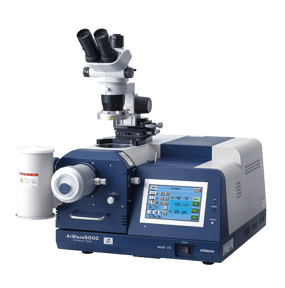
IM4000II & ArBlade 5000

Ion Milling Systems

Advanced ion milling for fast, high-quality SEM sample preparation.
  • High milling rate: Fast and efficient sample preparation for hard materials
  • Cross-section & flat milling: Flexible options for different applications
  • Cryogenic cooling (optional): Reduces damage to temperature-sensitive samples
  • User-friendly interface: Intuitive touch-screen controls for ease of use
  • Optimized for SEM & AFM: Compatible with Hitachi and third-party microscopes

Overview

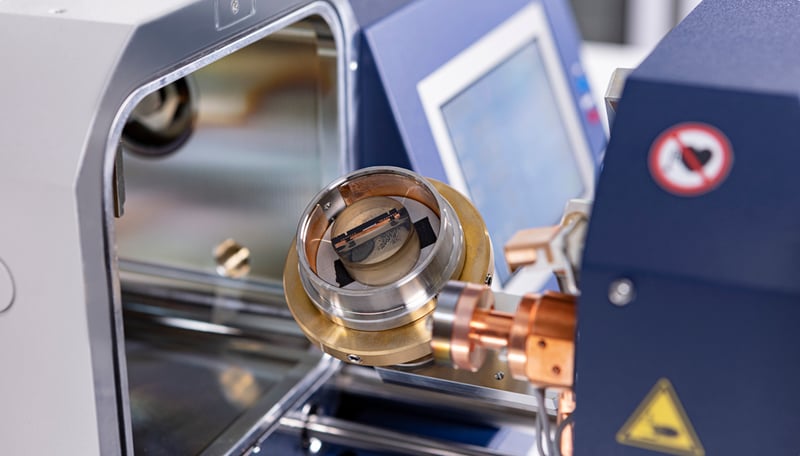
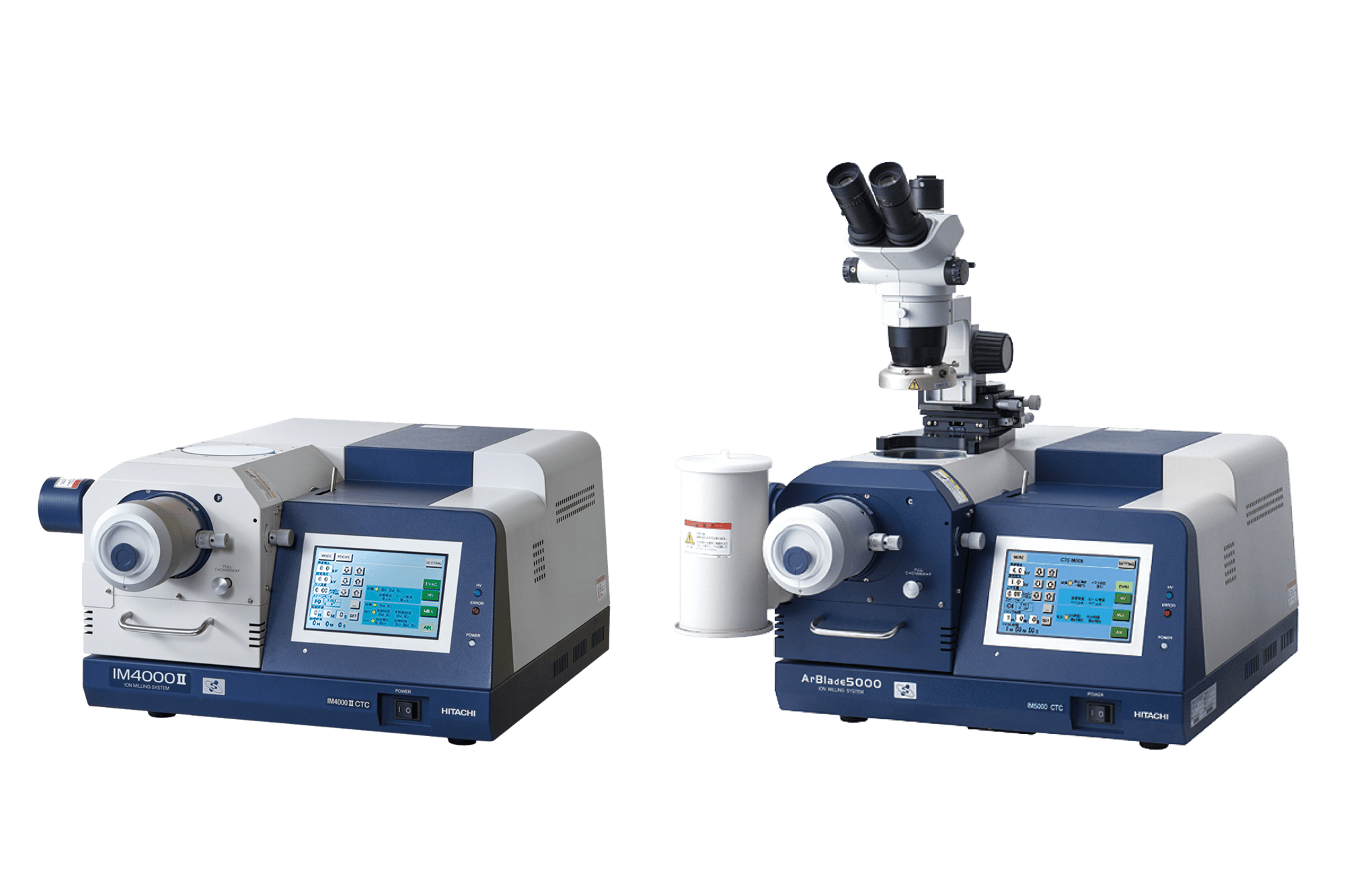
The Hitachi IM4000II and ArBlade 5000 ion milling systems provide high-precision sample preparation for scanning electron microscopy. Whether you're analyzing metals, semiconductors, polymers, ceramics or layered materials, these systems ensure high-quality cross-sections and surface polishing with minimal artifacts.
Designed for academic research, industrial quality control, and materials science labs, both systems deliver fast, repeatable results, making them essential for advanced electron microscopy applications.

IM4000II

The IM4000II is an all-in-one system for both cross-section and/or flat milling, making it a flexible option for labs needing a basic sample prep tool.
ArBlade 5000

The more advanced ArBlade 5000 features a higher milling rate and wide-area cross-section milling, making it perfect for demanding applications and labs that need high throughput
Features and benefits

Applications gallery

Applications_ArBlade_IM40001


Applications_ArBlade_IM40002


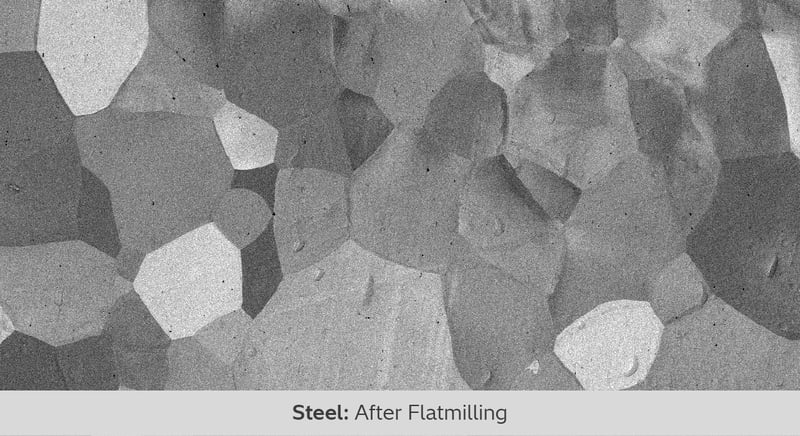
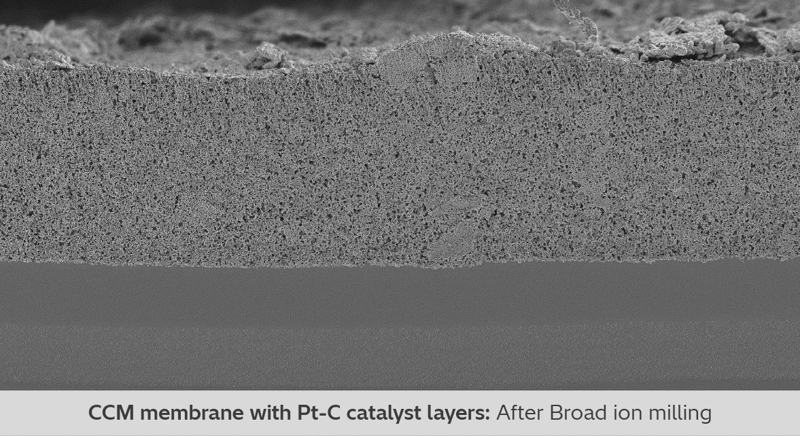
Prepare cross-sections of hard materials for microstructural analysis.
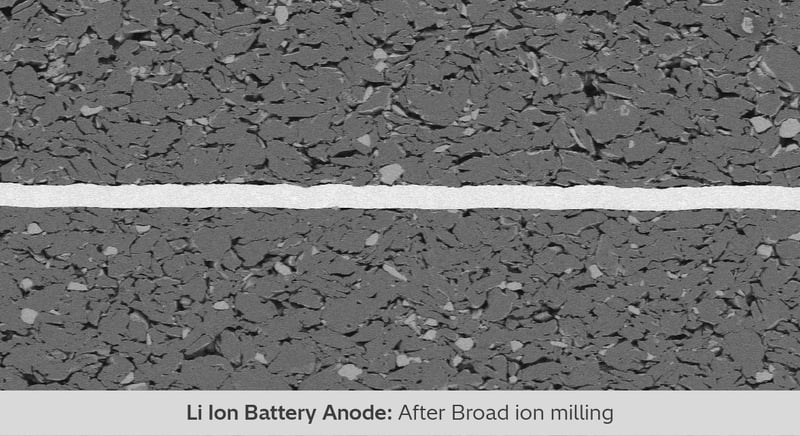
image002


Applications_ArBlade_IM400011


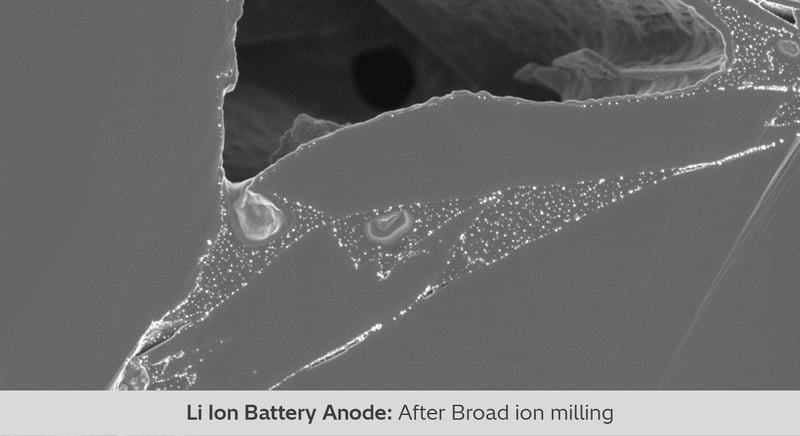
Cross-section of Li Ion Battery Anode
Applications_ArBlade_IM40003


Applications_ArBlade_IM40004


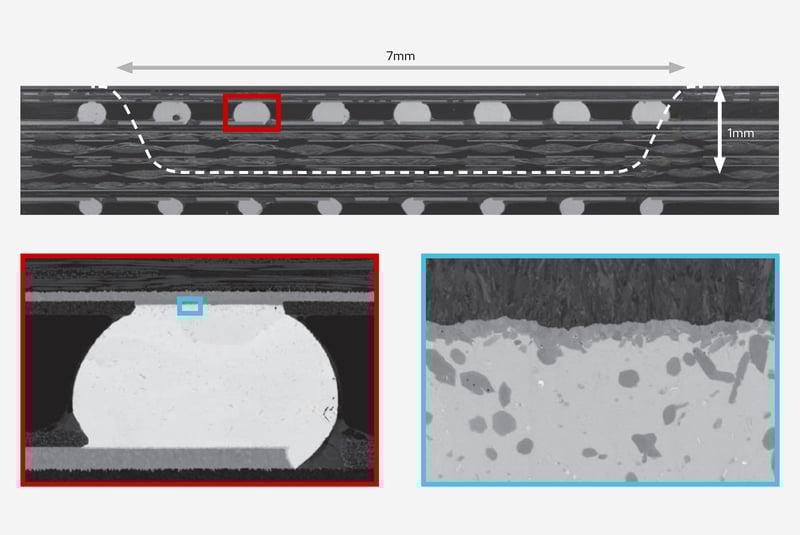
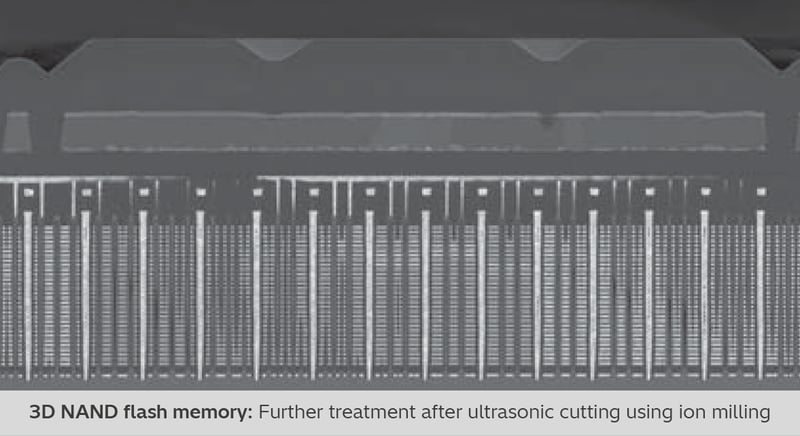
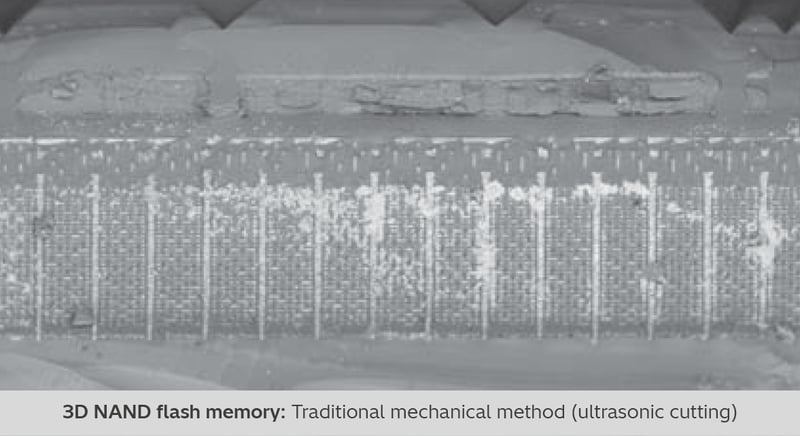
Expose layers and interfaces in integrated circuit
Applications_ArBlade_IM40005


Applications_ArBlade_IM40006


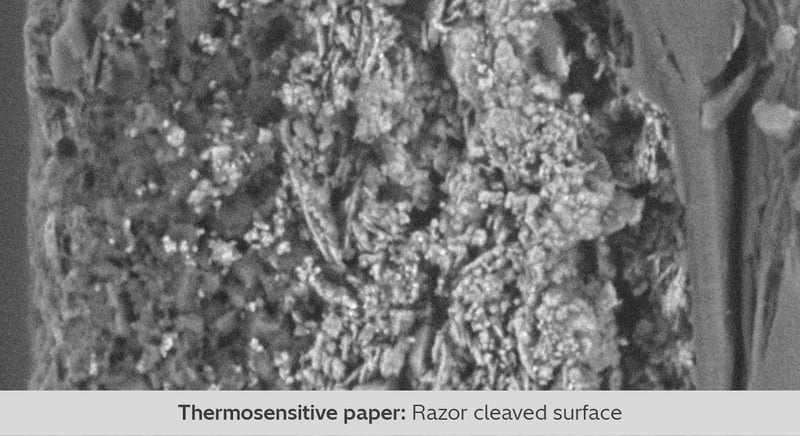
Prevent deformation in temperature-sensitive samples
Applications_ArBlade_IM40007


Applications_ArBlade_IM40008


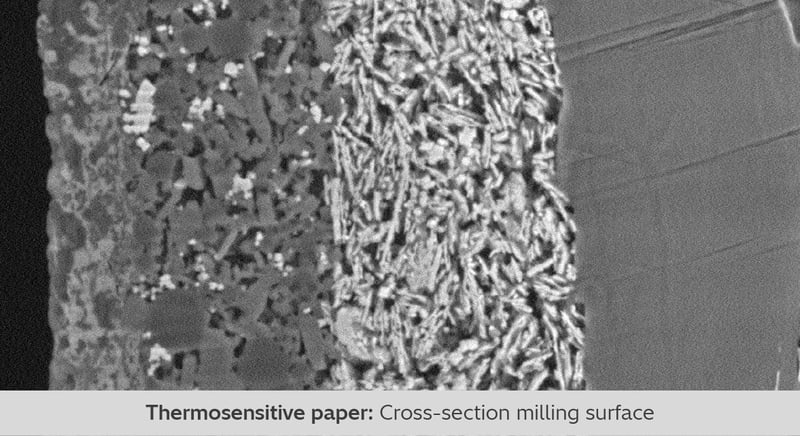
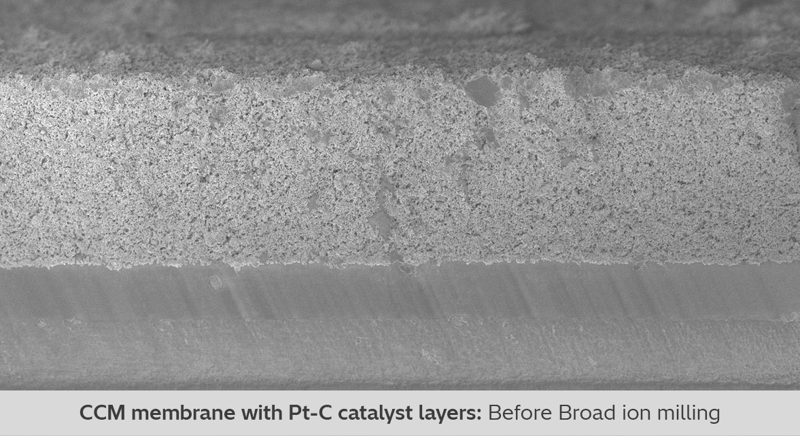
Study layer composition and adhesion quality

image003 (1)


Applications_ArBlade_IM400012


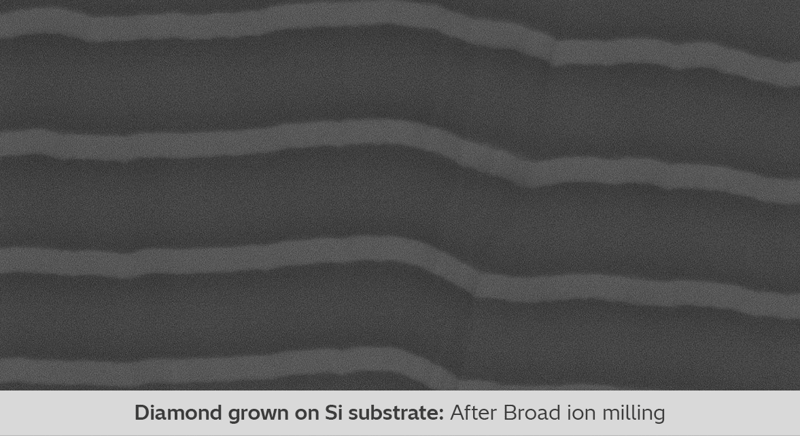
Cross-section milling example 

Specifications

  IM4000II ArBlade 5000
Gas Used Ar (argon) gas Ar (argon) gas
Accelerating Voltage 0 to 6 kV 0 to 8 kV
Maximum Milling Rate (estimated for Si samples and 100 μm protrusion) 500 μm/h or more ≥ 1 mm/h
Maximum Milling Width Not available 10 mm
Maximum Specimen Size 20(W) x 12(D) x 8(H) mm 20(W) x 12(D) x 8(H) mm
Sample Moving Range X: ±7 mm, Y: 0 to +3 mm X: ±7 mm, Y: 0 to +3 mm
Ion Beam Intermittent Irradiation ON/OFF setting (1 sec to 59 min 59 sec) Standard function
Swing angle ±15°, ±30°, ±40° ±15°, ±30°, ±40°
Wide-Area Cross-Section milling Not available Up to 10 mm width
Flat Milling Area φ 32 mm φ 32 mm
Maximum Flat-Milled Sample Size φ 50 x 25(H) mm φ 50 x 25(H) mm
Rotation Speed 1 rpm, 25 rpm 1 rpm, 25 rpm
Tilt Range 0 to 90° 0 to 90°
Cooling Temperature Control (optional) 0 to -100°C via LN2 0 to -100°C via LN2
Higher Beam Tolerance Mask (optional) 2x beam tolerance (Cobalt-free) 2x beam tolerance (Cobalt-free)
Stereo Microscope Unit (optional) 15x to 100x, Binocular/Trinocular 15x to 100x, Binocular/Trinocular

FAQs

  • What is the Hitachi IM4000II and what does it do?

    The IM4000II is an ion milling system designed for high-quality SEM sample preparation. It uses a broad argon ion beam to create pristine cross-sections and polished surfaces without introducing mechanical stress or deformation to your samples. The system can perform both cross-section milling (to reveal internal structures) and flat milling (to polish surfaces for analysis).

  • How does ion milling work?

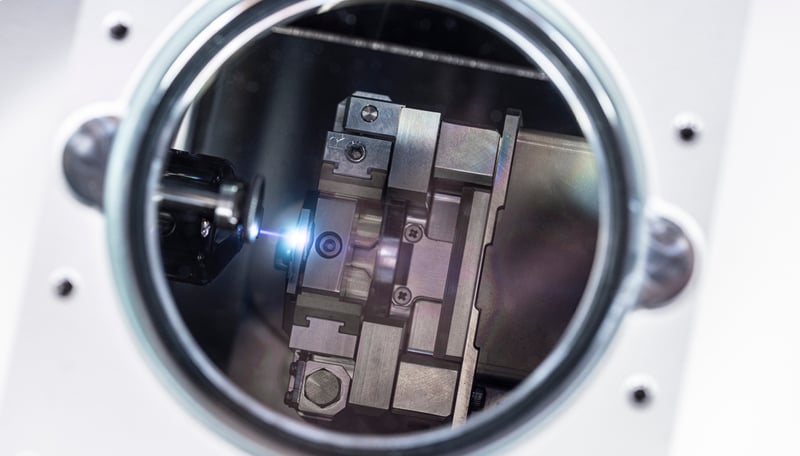
    Ion milling is a physical sputtering process that uses accelerated argon ions to remove material from your sample surface atom by atom. Here's the step-by-step process:

    • Ion generation: The system ionizes argon gas to create positively charged argon ions
    • Acceleration: These ions are accelerated through an electric field at voltages between 0.5 to 6 kV (IM4000II) or up to 8 kV (ArBlade 5000)
    • Bombardment: The accelerated argon ions strike the sample surface with high kinetic energy
    • Material removal: The impact transfers enough energy to break atomic bonds and eject atoms from the sample surface—a process called sputtering
    • Controlled erosion: By directing the ion beam at specific angles and using masks, the system creates either polished surfaces (flat milling) or clean cross-sections

    The process can be compared to sandblasting at the atomic level, except instead of sand particles, you're using argon ions, and instead of removing visible chunks, you're removing individual atoms.

  • How does argon ion milling differ from traditional sample preparation methods?

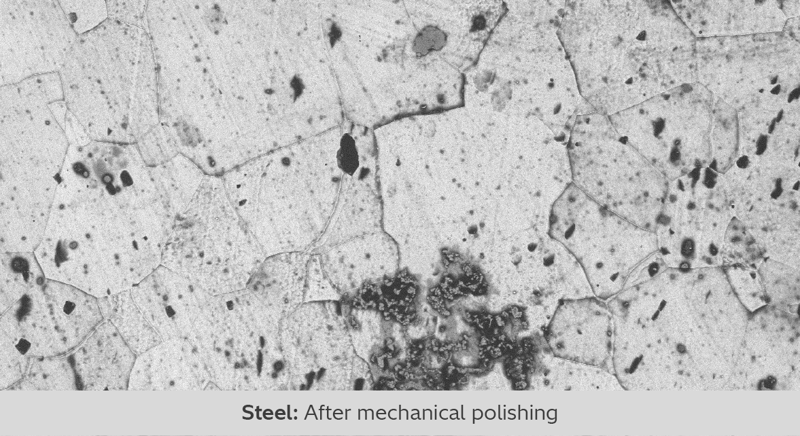
    Unlike mechanical polishing or cutting, ion milling is a contact-free physical method that eliminates mechanical stress. The process accelerates argon ions (from a few hundred volts to 6 kV) to bombard and sputter away material atom by atom. This prevents common artifacts like smearing, deformation, and debris filling that occur with mechanical methods.

  • What types of materials can the IM4000II process?

    The IM4000II handles a wide range of materials including:

    • Metals and alloys
    • Polymers and composites
    • Electronic components and semiconductors
    • Battery materials (electrodes, separators)
    • Ceramics and hard materials
    • Biological samples
    • Pharmaceutical samples
    • Multi-layer films and coatings
  • Which types of materials can’t be processed?

    Liquids and gels can’t be processed.

  • What are the key operating parameters of the IM4000II?
    • Acceleration voltage: 0 to 6 kV (adjustable)
    • Maximum milling rate: 500 μm/h (for Si with 100 μm protrusion)
    • Maximum specimen size: 20(W) × 12(D) × 8(H) mm
    • Flat milling area: Up to φ32 mm
    • Tilt range: Adjustable from 0° to 90°
    • Rotation speed: 1 rpm, 25 rpm
  • How long does sample preparation typically take?

    Processing time varies by material and desired outcome and can range from a few minutes to a few hours. For example:

    • Quick polish for soft materials: 5-10 minutes
    • Standard cross-section preparation: 30 minutes to 2 hours
    • Beam sensitive materials: 3-4 hours
    • Large area preparations: May require sequential processing
  • What pre-preparation is needed before using the IM4000II?

    For cross-sectioning:

    • Samples should be relatively flat with parallel sides
    • Recommended thickness under 3 mm
    • Pre-cut or cleave close to the area of interest
    • Mount on a sample stub using adhesive or conductive tape

    For flat milling:

    • Embed samples in epoxy resin if needed
    • Pre-polish to 1 μm diamond particle finish
    • Ensure sample is less than 50 mm diameter and 25 mm height
  • Can I process multiple samples at once?

    The standard IM4000II processes one sample at a time. However, you can mount multiple small samples on a single stub if they fit within the maximum specimen size of 20 × 12 × 8 mm. You can also use the ArBlade 5000 instead to process multiple samples.

  • How does the IM4000II handle temperature-sensitive samples?

    The system offers three methods to prevent heat damage:

    1. Lower acceleration voltage: Reduce from 6 kV down to as low as 0.5 kV
    2. Intermittent milling (pulsing): Programmable ON/OFF cycles (1 second to 59 minutes)
    3. Cryogenic cooling (optional): Maintains temperatures from 0°C to -100°C using liquid nitrogen
  • Which materials typically require special temperature management?
    • Polymers and soft plastics
    • Low-melting-point solders and alloys
    • Biological samples
    • Organic materials
  • When should I choose the IM4000II over a FIB system?

    Choose the IM4000II when you need:

    • Larger cross-section areas (mm-scale vs. μm-scale)
    • Faster processing of large volumes
    • Lower equipment and operational costs
    • Minimal curtaining and redeposition artifacts

    Choose FIB when you need:

    • Site-specific preparation (targeting exact locations)
    • TEM lamella preparation
    • 3D reconstruction capabilities
  • How does the IM4000II compare to mechanical polishing?

    Advantages over mechanical polishing include

    • No mechanical deformation or stress
    • No smearing of soft materials
    • Preserves true material interfaces in composites
    • No contamination from polishing compounds
    • Better for materials with different hardnesses
  • What advantages does ion milling offer over ultramicrotomy?
    • No compression artifacts
    • Handles hard/soft material combinations better
    • No delamination in layered materials
    • Larger area preparation possible
    • No need for special knife maintenance
  • How do I prevent curtaining effects in composite materials?

    Curtaining (vertical streaks) occurs when materials with different sputtering rates are present. Solution: Use the swing function (±15°, ±30°, or ±40°) to rock the sample during milling. This averages out the differential sputtering rates.

  • What causes the "valley" shape in cross-sections?

    This V-shaped profile is normal and results from the ion beam gradually eroding into the material. Control the valley width by adjusting:

    • Acceleration voltage (higher voltage = narrower valley)
    • Swing angle (affects valley profile)
    • Processing time
  • Can the IM4000II handle air-sensitive materials?

    Yes, with additional accessories. The system can be equipped with inert air-isolation transfer vessels and glove box connections for handling materials sensitive to oxygen or moisture. Contact us for specific air-sensitive workflow solutions.

  • What consumables does the IM4000II need?
    • Argon gas (high purity, 99.99% or better)
    • Shielding masks (titanium or tungsten carbide)
    • Sample mounting supplies (stubs, adhesives, conductive tape)
    • Liquid nitrogen (if using cryogenic option)
  • How often do masks need replacement?

    Mask lifetime depends on usage intensity and materials processed. Titanium masks typically last several tens of hours of operation. The optional tungsten carbide masks offer approximately 2x longer lifetime than standard masks.

  • What level of expertise is needed to operate the IM4000II?

    The system features an intuitive touch-screen interface designed for ease of use. Basic operation can be learned in a few hours of training. Mastering advanced techniques for challenging materials typically takes a few weeks of regular use.

Contact us

Our specialists are here to guide you in selecting the right sample prep tool for your needs. Reach out to learn more about the IM4000II or ArBlade 5000 and discover which is best for you. Contact us today to learn more about both tools or to book a live demo.