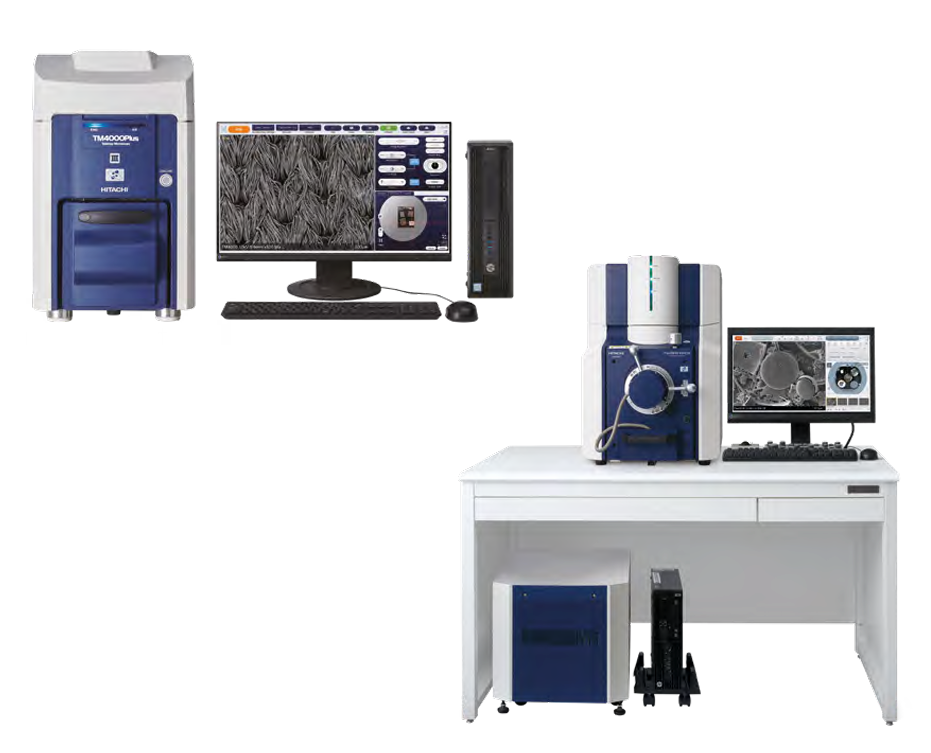
Tabletop & Compact SEMs: TM4000PlusIII and FlexSEMII
Flexible SEM imaging for labs and teaching environments
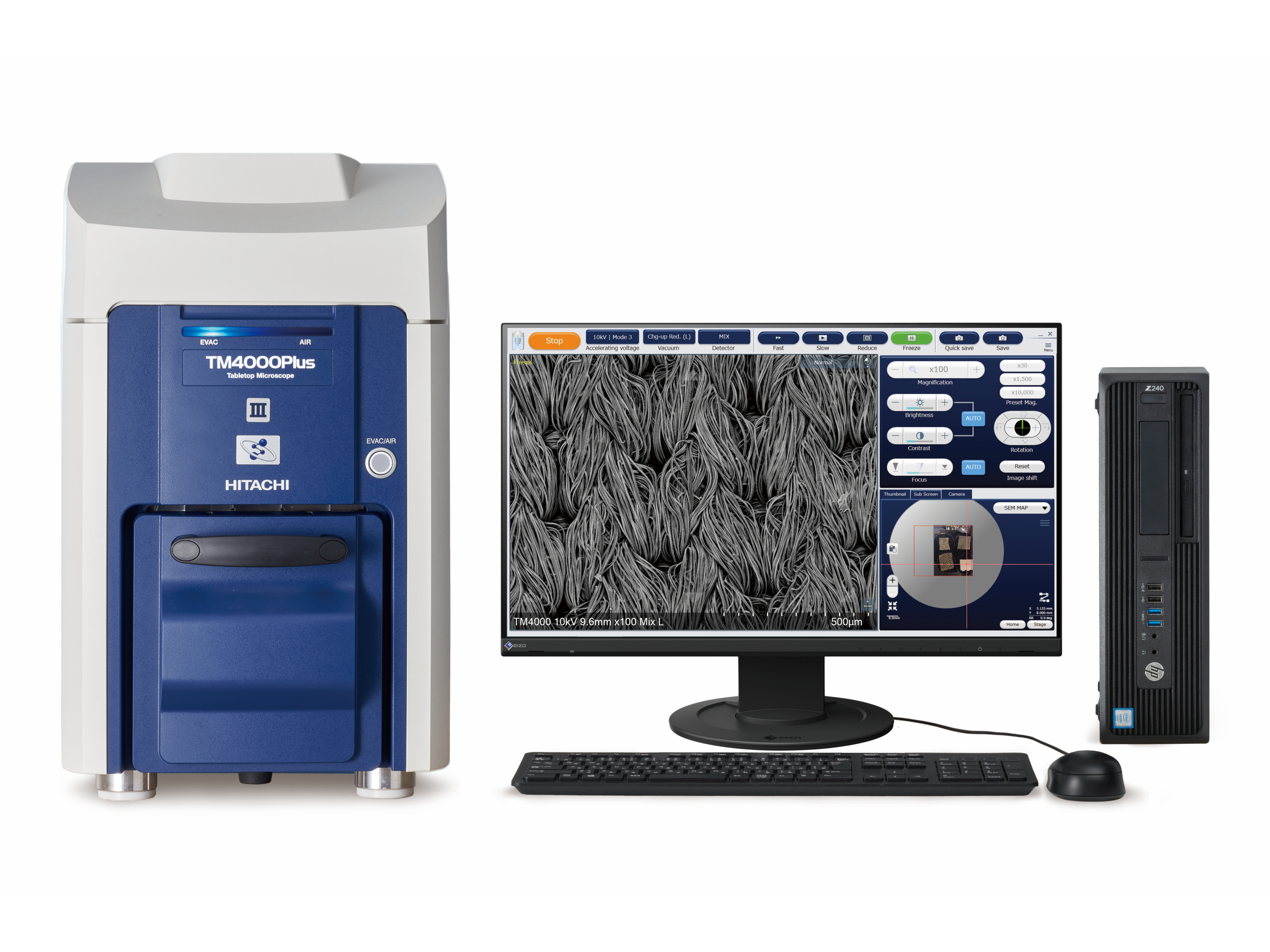
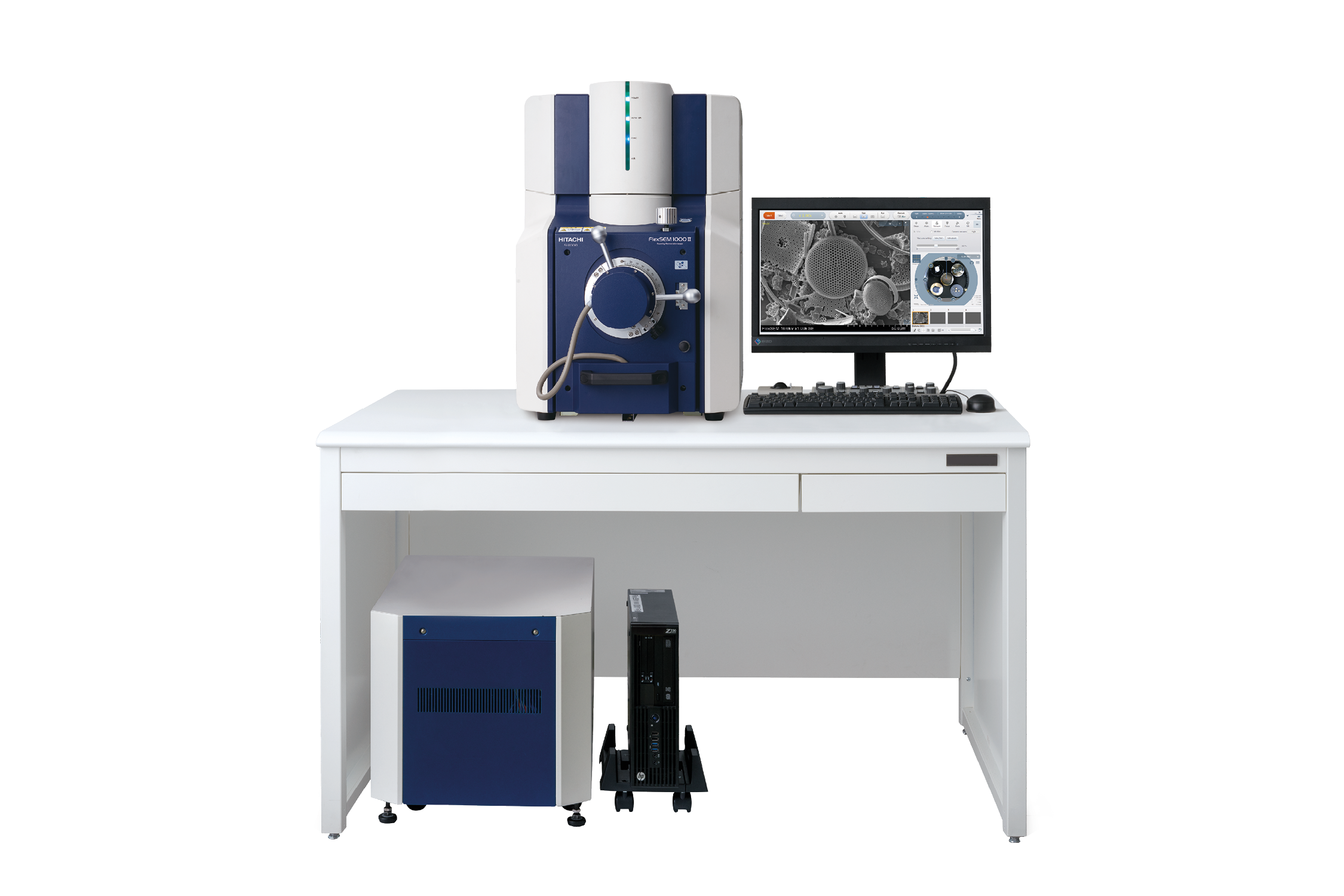
Hitachi's tabletop and compact SEM portfolio brings electron microscopy within reach for more users. The TM4000PlusIII and the FlexSEMII help you capture high resolution images, simplify operation, and expand in-house analysis without the footprint of complexity of a traditional SEM.
Key features
- Compact SEM options for labs with limited space
- Easy operation for both experienced microscopists and new users
- Automated imaging functions for more consistent results
- Low-vacuum capability for non-conductive and difficult surfaces
- Optional or embedded elemental analysis with EDS solutions
- Flexible workflows for research teaching, QA/QC and multipurpose use
Why choose a tabletop or compact SEM?
A tabletop or compact SEM is the right fit when you need meaningful imaging capability without the cost, space demands, and complexity of a conventional microscope. These systems make it easier to bring microscopy to the people who need it most, whether that's a research team, teaching lab, shared facility or industrial QC environment.
And the value goes beyond footprint. A tabletop or compact SEM helps reduce the reliance on outsourced analysis and make routine imaging more accessible across multiple users.
- TM4000PlusIII: Tabletop SEM is ideal when ease of use and fast routine imaging matter most.
- Learn More >
- FlexSEMII: Compact SEM is ideal for broader specimen handling and performance that bridges tabletop convenience with conventional SEM capability.
- Learn More >
Features and benefits
-
Compact footprint, broader access
Both systems are designed to fit into environments where space is limited. The TM4000PlusIII delivers tabletop accessibility for routine imaging, education, and QC. The FlexSEMII adds a compact 450 mm-wide design with flexible installation options (on the tabletop or on the floor), making it easier to place high-performance SEM capability in smaller labs and multipurpose spaces.

-
Easier operation for multi-user environments
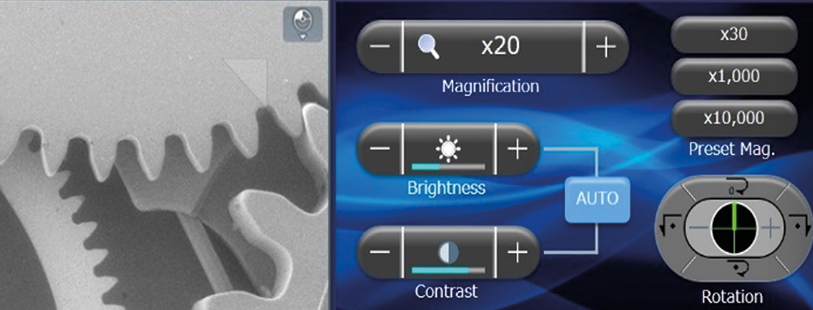
The TM4000PlusIII and FlexSEMII lower the barrier to SEM use. Automated functions such as auto-focus, auto-brightness, and contrast adjustment help users get to usable images faster and with less manual effort. For labs managing multiple users, that means more repeatable results and less training burden.

-
Flexible imaging for conductive and non-conductive samples
Low-vacuum capability means the TM4000PlusIII is suited to delicate and non-conductive samples with less preparation. The FlexSEMII offers you both high-vacuum and variable-pressure imaging, allowing observations under 100 Pa chamber pressure.

-
Clear, detailed imaging for a wide range of work
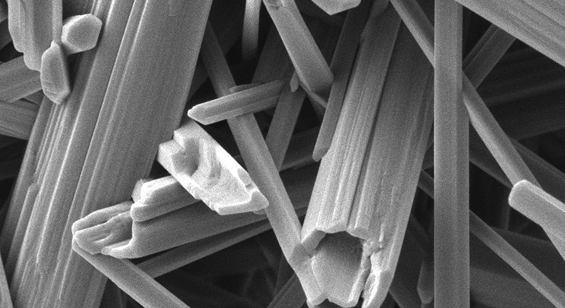
The TM4000PlusIII supports well-resolved imaging with high depth of focus and multiple signal modes, including backscattered, secondary, and mixed imaging. The FlexSEMII extends capability with a sensitive 5-segment BSE detector, high-vacuum SE detection, optional low-vacuum SE detection, and secondary electron resolution up to 4 nm at 20 kV.

-
Better navigation and specimen handling
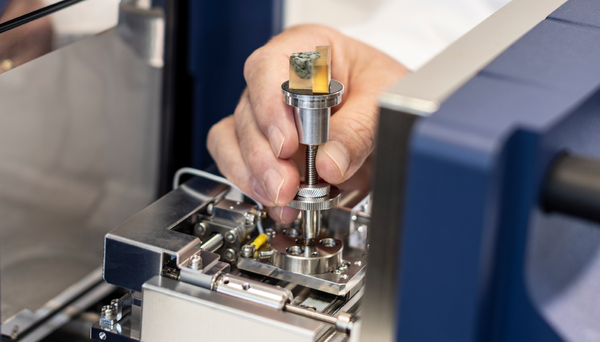
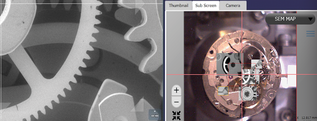
Both systems help you find your area of interest faster. The TM4000PlusIII includes an integrated optical camera for sample overview and easier navigation. The FlexSEMII combines optical specimen navigation with a eucentric 5-axis stage, allowing multi-angle observation and more flexible specimen positioning.

-
Automation that supports repeatability
Automation is especially valuable in teaching and shared labs. Both platforms can be extended with tools such as Python scripting and EM Flow Creator for repeatable workflows. Routine analysis is easier to scale as a result.

-
Optional elemental analysis and workflow expansion
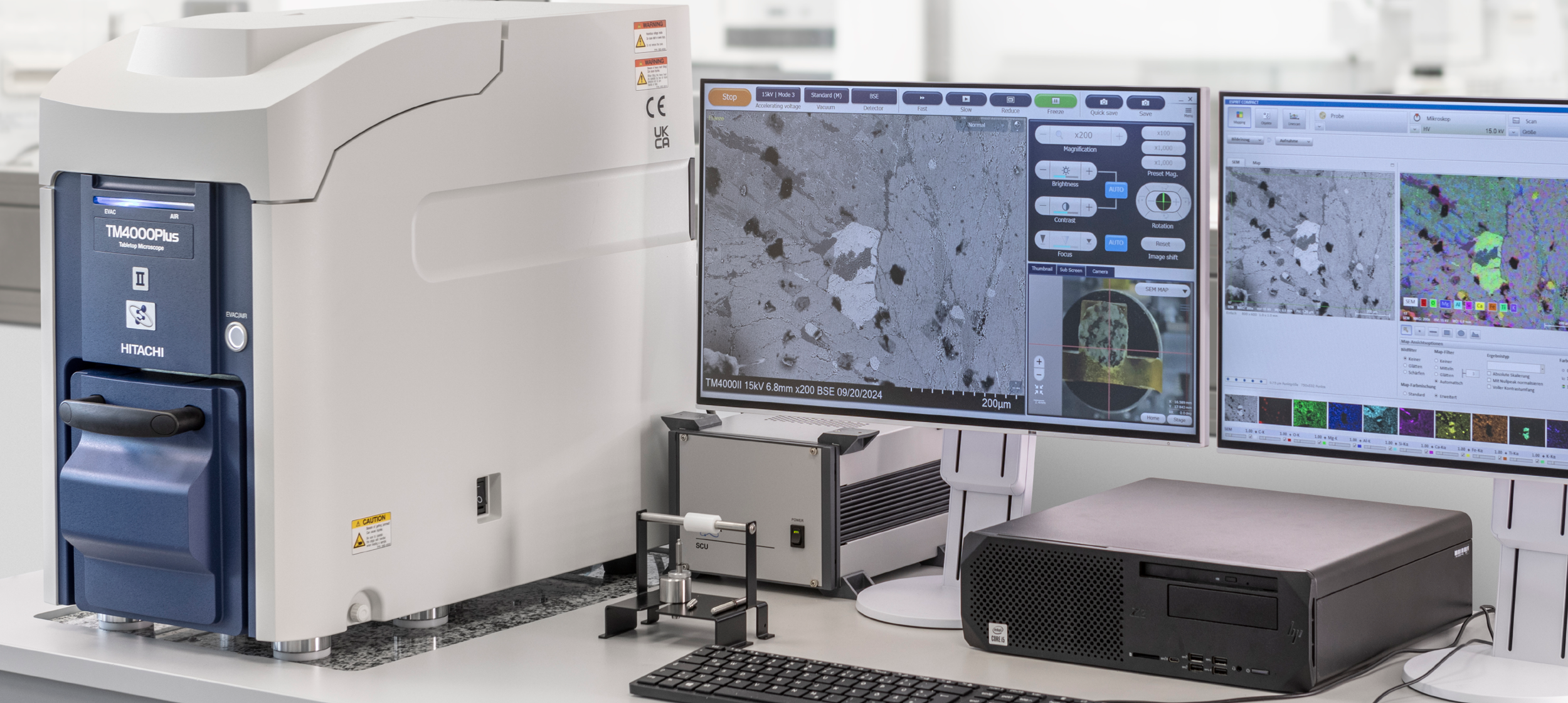
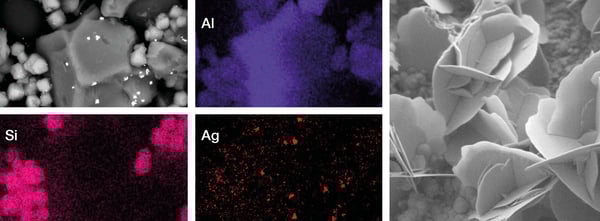
Both products can be expanded for compositional work and offer optional EDS detectors. Additional software options support applications such as 3D reconstruction, particle and pore analysis, and fiber analysis. So, your lab gets a practical path from routine imaging to deeper materials characterization.

Applications gallery

FlexSEMII: Pharamceutical sample 4.00kV 5.6mm x7.50k SE
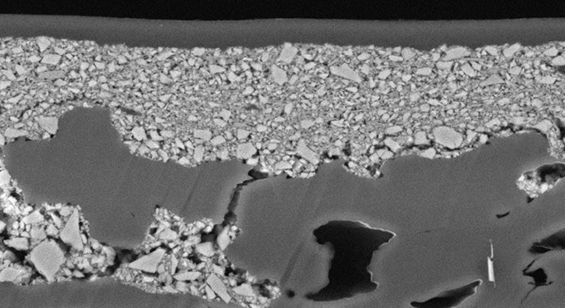
FlexSEMII: Argon-ion milled paper cross-section, 10.00kB 5.8mm x2.70k BSE 30pa
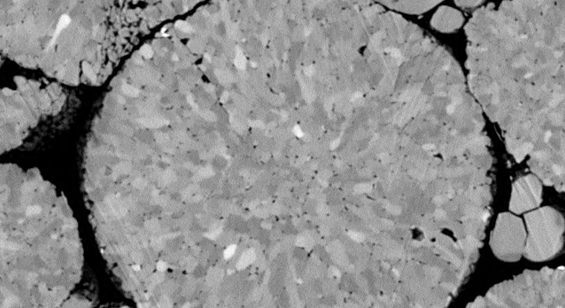
FlexSEMII: NMC cathode cross section, 3.00kV 4.9mm x6.00k BSE
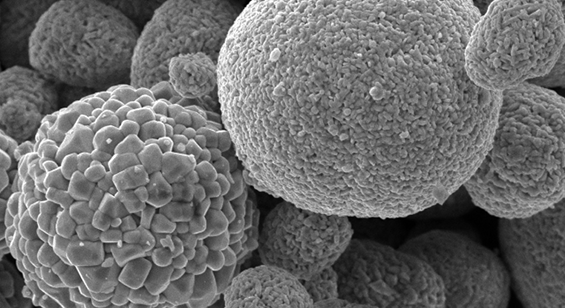
FlexSEMII: NMC active material, 7.00kV 6.2mm x4.50k SE
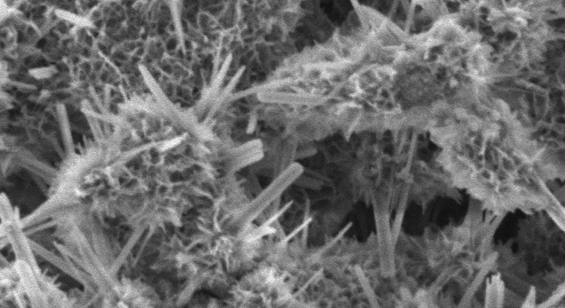
FlexSEMII: Cement, 3.00kV x15.0k SE
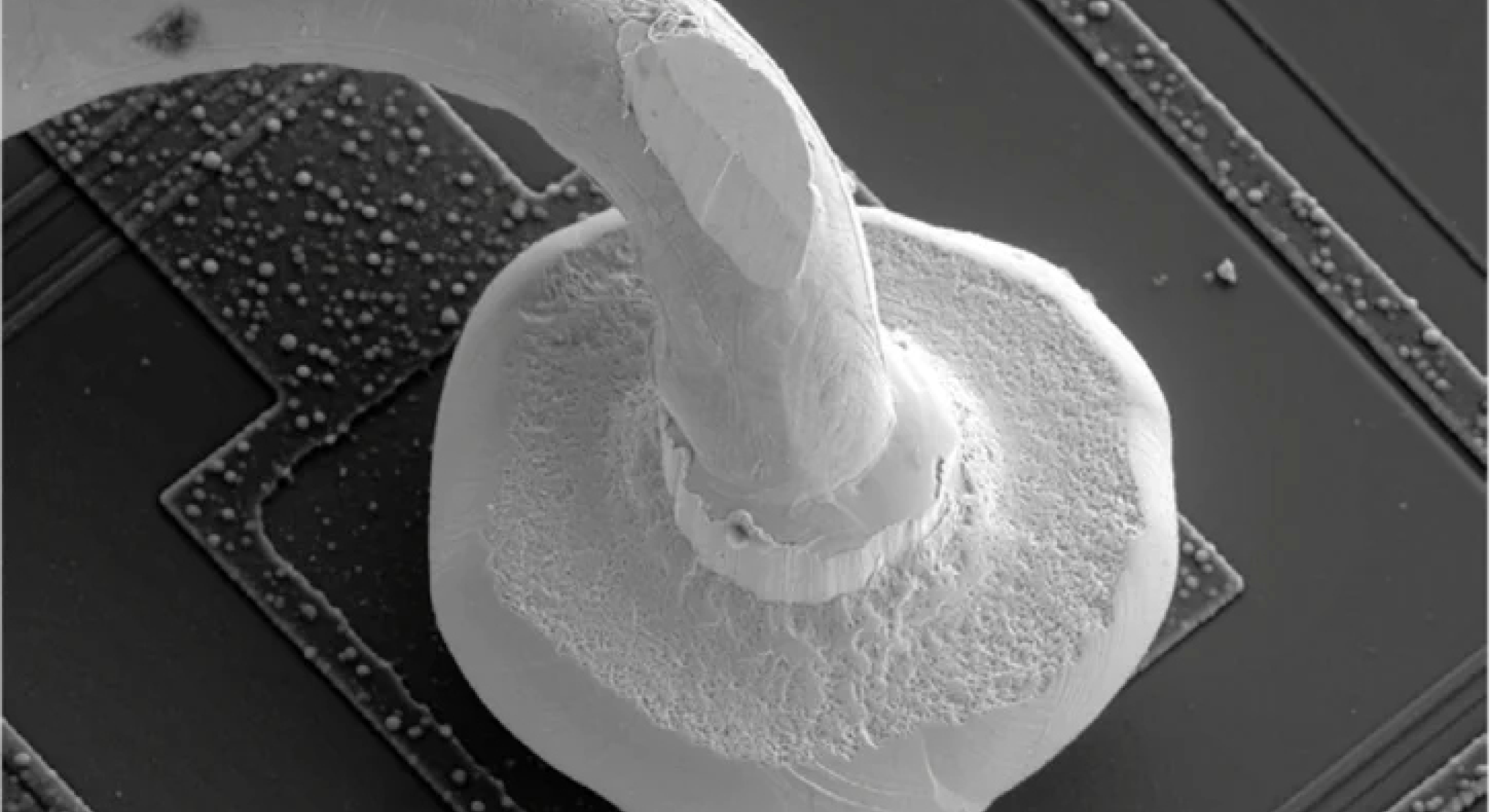
FlexSEMII: Wire bonding, 15.0kV x500 UVD (SE) 60Pa
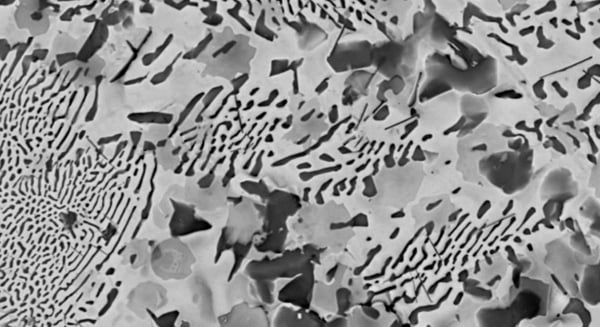
TM4000PlusIII: White metal, Acceleration voltage: 20kV, Magnification: 2,000x
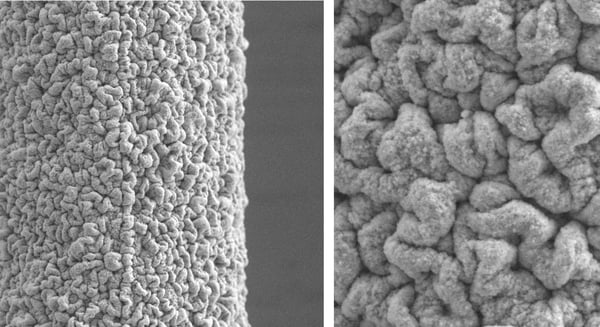
TM4000PlusIII: Corroded copper wire, Acceleration voltage: 10kV, SE signal

TM4000PlusIII: STEM observation of grease thickener, Magnification: 9,000x
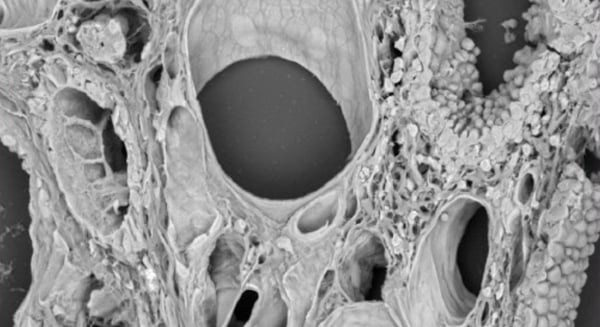
TM4000PlusIII: Rat blood vessels (deparaffinized sections), Acceleration voltage: 15kV, Mag: 800x
Specifications
| Specification | TM4000PlusIII | FlexSEMII |
|---|---|---|
| Product category | Tabletop SEM | Compact SEM |
| Imaging modes | Backscattered, Secondary, Mixed | High vacuum and variable pressure |
| Magnification | 10x–100,000x photographic; 25x–250,000x monitor display |
6x to 300,000x photographic; 16x to 800,000x monitor display |
| Accelerating voltage | 5, 10, 15, 20 kV | 0.3 - 20 kV |
| Resolution | — | 4 nm SE @ 20 kV |
| Vacuum capability | Low-vacuum support for conductive and non-conductive samples | High vacuum and low vacuum / variable pressure up to 100 Pa |
| Navigation | Integrated optical camera | Optical specimen navigation |
| Stage | X: 40 mm, Y: 35 mm | Eucentric 5-axis specimen stage |
| Specimen capacity | up to 80 mm diameter, 50 mm height | Up to 153 mm diameter, 40 mm height |
| Electron source | Pre-centered cartridge tungsten hairpin | Pre-centered cartridge tungsten hairpin |
| Optional analysis | Integrated EDX | EDX systems from Bruker or Oxford Instruments |
| Typical fit | Routine imaging, education, QC, multi-user labs | Advanced compact imaging, materials research, multipurpose labs |
Speak to our experts
If you would like help choosing the best tabletop SEM for your needs, or if you’re looking for advice on how to optimise your microscopy, our experts are ready to help. Contact us today to learn how the Hitachi FlexSEMII or TM4000PlusIII can enhance your lab’s capabilities.